Literature
BUY NOW!
Get Bren,d,o’s bone chilling thriller now!
Synopsis
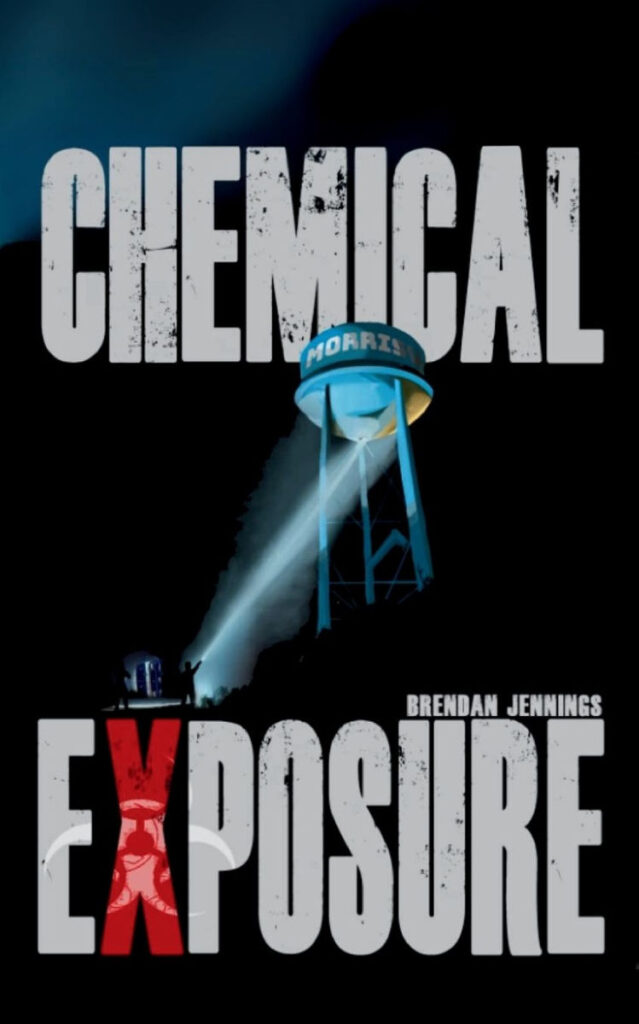
Chemical Exposure is a disturbing thriller surrounding an emotionally troubled 18-year-old teen by the name of Daniel Davenport. The journey through his disturbed mind starts a week before his high school graduation, when a chain of unexplained events, including an unsolved murder, takes place in his hometown of Morrisville, a small, remote village within a circular valley in Southern Illinois (Based on a real location). Daniel and his best-friend Tallulah, with whom he has a complicated relationship, barely make it out of the town alive. Both of their families, including Daniel’s cherished kid brother, are torn from them cruelly during a bizarre viral outbreak that kills the townspeople within three days and reanimates them into the undead. Daniel and Tallulah soon learn there is more to the mundane Midwestern hamlet than they originally thought. The reader will also get a taste of small-town life in the upper south/Midwest, with farming villages, abandoned coal mines, and a dilapidated economy that has left the families there struggling well before the virus outbreak happens. Chemical Exposure touches on complicated topics such as race, sexual assault, and poverty. This is the beginning of a three-part series.
About Author
Brendan Hope Jennings (Bren.d.o) is also a published author whose work explores themes of psychological depth, community, and identity. His 2025 novel Chemical Exposure tells the story of Daniel, a man whose vivid nightmares begin to blur with reality as he uncovers a hidden threat within his small town: a tense, atmospheric blend of social mystery and emotional introspection. The book, released through major retailers such as Barnes & Noble, has been described as a haunting look at the intersection of trauma and redemption.
Jennings has also been featured as a contributor in The History of Carrier Mills, Volume 2 (2022), compiled by the late mayor Louis P. Shaw and published by the Carrier Mills–Stonefort Public Library District. His contributions include “Map of the Lakeview Area” and historical commentary on Baber Chapel AME Church and the Lakeview community, expanding on the African American heritage of Southern Illinois.